
Personal Care
Support with washing, bathing, dressing, grooming, oral care, toileting and continence routines, delivered respectfully and privately.
Every person is different. Our care is built around routines, preferences, goals and the level of support actually needed.
Support with washing, bathing, dressing, grooming, oral care, toileting and continence routines, delivered respectfully and privately.
Meaningful conversation, hobbies, gentle outings, shopping, appointment support and regular social contact to reduce isolation.
Preparing simple balanced meals, drinks and snacks, with prompts and practical help that fit the person’s preferences and care plan.
Light housekeeping, laundry, changing bed linen, tidying and other everyday tasks that help keep the home comfortable.
Prompts or agreed assistance with medication where this forms part of the care plan and is within the caregiver’s role.
Calm communication, familiar routines, reassurance and practical help for people living with memory changes or diagnosed dementia.
Short-term support that gives family carers time to rest, attend appointments or manage other responsibilities.
Practical, non-clinical help after discharge, including meals, personal routines, household tasks and confidence-building at home.
Help with errands, collecting essentials and attending local appointments where this is agreed as part of support.
Scheduled visits focused on reassurance, hydration, meals, household safety and noticing changes that may need escalation.
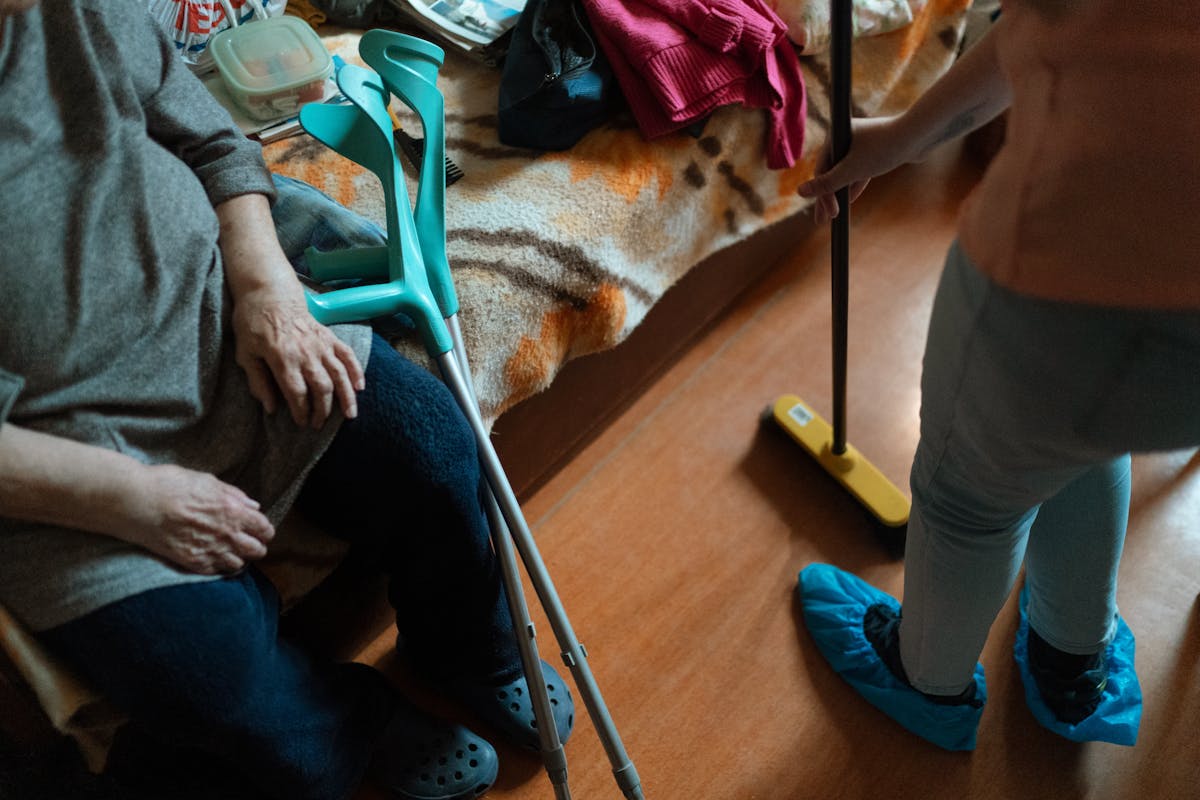
Some people need a little companionship and practical support. Others require more frequent visits. We review what is working and adjust routines when needs change.